You’re probably wondering which polishing wheels will actually survive the grind of metal, wood, resin, and jewelry projects without breaking the bank. The 2026 lineup offers a mix of cloth, foam, and bristle options, each with 1/8” shanks for Dremel‑compatible tools and grit ranges from 80 up to 2500. Some feature hollow cores or perforations for better cooling, while others prioritize hardness for tougher surfaces. The right combo can cut down on change‑overs and keep your finishes consistent, but the choice hinges on a few key factors you’ll need to weigh.
| 42pcs 1‑Inch Radial Bristle Disc Kit 3mm Shank Grit 80‑2500 | Professional Grade | Diameter: 1 inch | Shank Size: 3 mm (≈ 1/8 inch) | Material: Aluminum oxide + nylon bristles | CHECK ON AMAZON | Read Our Analysis | |
| Luo Ke 20 Pcs Little Buffing Wheels (White) | Compact Essential | Diameter: 23 mm (≈ 0.9 inch) | Shank Size: 3 mm (≈ 1/8 inch) | Material: White cloth | CHECK ON AMAZON | Read Our Analysis | |
| 10pcs 1/8″ Cotton Polishing Buffing Wheels for Dremel | Jewelry Specialist | Diameter: 1 inch | Shank Size: 1/8 inch | Material: Cotton | CHECK ON AMAZON | Read Our Analysis | |
| 115PCS Polishing Buffing Wheels for Dremel Tools | Heavy‑Duty Set | Diameter: 1 inch (various shapes) | Shank Size: 1/8 inch | Material: Wool fibers (honeycomb structure) | CHECK ON AMAZON | Read Our Analysis | |
| Rotary Tool Bit Holder Mandrel Drill Bench Tool Polishing Buffing Wheel Set | Workshop Organizer | Diameter: N/A (holder only) | Shank Size: 2.35–3 mm slots (holds 1/8 inch shank) | Material: Metal/plastic (bit holder) | CHECK ON AMAZON | Read Our Analysis |
More Details on Our Top Picks
42pcs 1‑Inch Radial Bristle Disc Kit 3mm Shank Grit 80‑2500
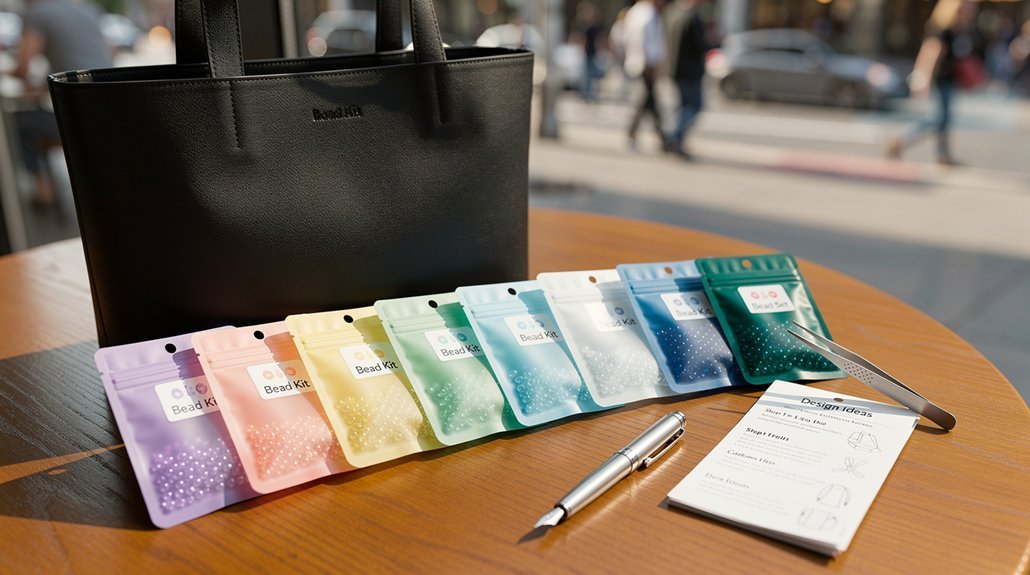
Looking for a compact, versatile kit that fits a 3 mm flex‑shaft and handles everything from delicate jewelry to tiny wood details? This 42‑piece 1‑inch radial bristle disc set gives you 3 mm shanks and a full grit range from 80 to 2500. You’ll get 42 discs plus six extra shanks, covering green 80, blue 120, red 220, gray‑blue 400, purple 600, light‑green 1000, and gray 2500. Made from aluminum oxide and nylon, the discs are elastic and tough, perfect for deburring, cleaning, and polishing intricate metal, wood, or jewelry work. At 2.89 oz and 0.04 in thick, they’re lightweight and fit any angle grinder.
- Diameter:1 inch
- Shank Size:3 mm (≈ 1/8 inch)
- Material:Aluminum oxide + nylon bristles
- Grit/Finish Type:Mixed grit (80‑2500)
- Quantity:48 pieces (42 discs + 6 shanks)
- Compatibility:Angle grinder, rotary tools
- Additional Feature:Mixed grit color coding
- Additional Feature:High elasticity nylon
- Additional Feature:Industrial & Scientific ranking
Luo Ke 20 Pcs Little Buffing Wheels (White)
If you need a compact, high‑speed buff for detailed work on resin, polymer clay, or metal, the Luo Ke 20‑piece little buffing wheels are a perfect match for your 1/8‑inch flex‑shaft tool. Each wheel is a 23 mm white cloth pad with a 3 mm shank, so it fits your rotary tool, hand drill, grinder, or pneumatic unit without adapters. The premium cloth holds polishing compound well, delivering a smooth finish on wood, aluminum, stainless steel, chrome, and other metals. You get twenty pads in one pack, giving you plenty of spares for continuous polishing sessions. Use them with compound for best results.
- Diameter:23 mm (≈ 0.9 inch)
- Shank Size:3 mm (≈ 1/8 inch)
- Material:White cloth
- Grit/Finish Type:Polishing cloth (no grit)
- Quantity:20 pieces
- Compatibility:Dremel, rotary tools, hand drill, grinder
- Additional Feature:Premium white cloth
- Additional Feature:23 mm diameter
- Additional Feature:Requires polishing compound
10pcs 1/8″ Cotton Polishing Buffing Wheels for Dremel
Who needs a reliable, easy‑to‑swap buffing wheel for delicate jewelry or watch work? You’ll love these 10 pcs 1/8‑inch cotton polishing wheels for your Dremel. The soft cotton fibers cling to polish compound, delivering a smooth finish on silver, agate, ceramics, glass, and even metal surfaces. They fit any 1/8‑inch mandrel, so you can slip them onto a Dremel polishing kit, hand drill, or other flex‑shaft tools in seconds. Wear safety glasses, apply compound, and start polishing; the wheels stay durable and strong. The set covers jewelry, watches, medical equipment, mirrors, wood carving, and old motorcycle parts.
- Diameter:1 inch
- Shank Size:1/8 inch
- Material:Cotton
- Grit/Finish Type:Polishing cloth (no grit)
- Quantity:10 pieces
- Compatibility:Dremel polishing kit, hand drill
- Additional Feature:Strong cotton fibers
- Additional Feature:Watch polishing kit
- Additional Feature:Protective gear recommended
115PCS Polishing Buffing Wheels for Dremel Tools
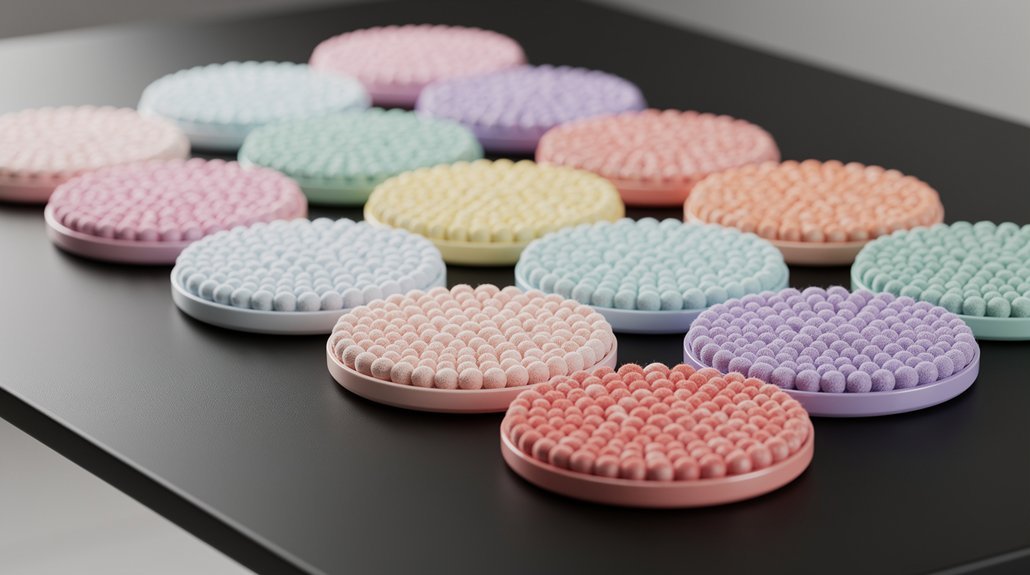
For anyone who needs a reliable, high‑speed polishing solution for Dremel‑compatible rotary tools, the 115‑piece PCS Polishing Buffing Wheel set delivers exactly that. Its 1/8‑inch shank locks securely with quick‑lock,2nd‑3rd‑generation heads, letting you swap wheels in seconds. Honeycomb‑structured wool fibers stay soft yet durable, lasting roughly 300 % longer under pressure. You’ll find cones, cylinders and flat discs—115 pieces total—so you can reach tight grooves, polish metal, jewelry, wood, glass, and ceramics without hesitation. Over 1,200 craftsmen validate its performance, and 86 % of U.S. buyers repurchase for bench work. Keep speed moderate; excessive RPM can loosen brushes and cut lifespan.
- Diameter:1 inch (various shapes)
- Shank Size:1/8 inch
- Material:Wool fibers (honeycomb structure)
- Grit/Finish Type:Polishing wool (no grit)
- Quantity:115 pieces
- Compatibility:Dremel & universal rotary tools
- Additional Feature:Honeycomb wheel structure
- Additional Feature:300% longer lifespan
- Additional Feature:Quick‑lock shank system
Rotary Tool Bit Holder Mandrel Drill Bench Tool Polishing Buffing Wheel Set
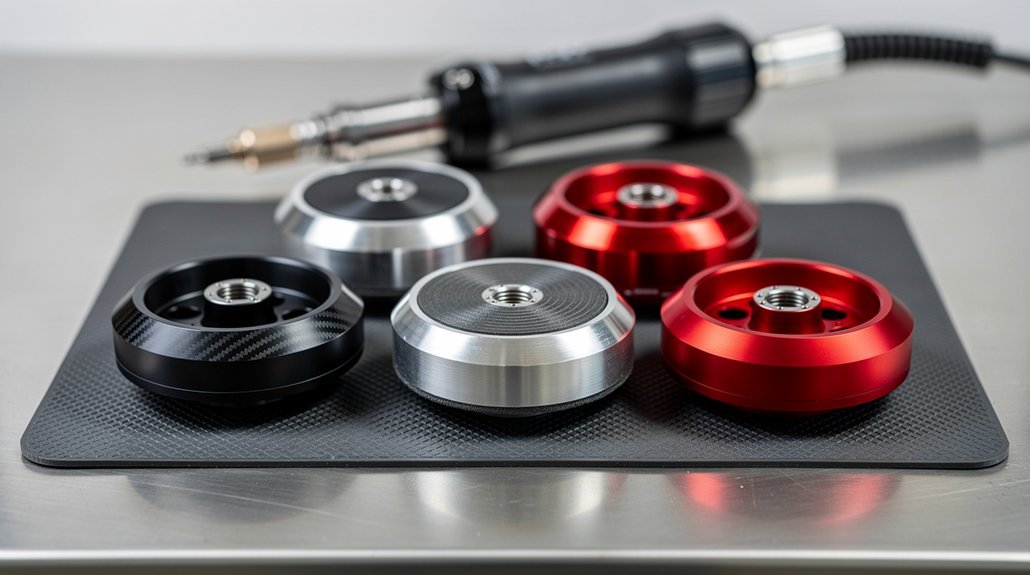
The rotary tool bit holder with a 65 mm center cup and 360° rotating base is the go‑to solution for anyone who needs to keep burs, drill bits, and polishing wheels within arm’s reach while working on a flex‑shaft polishing project. Its open design lets you swap bits instantly, and the turntable spins for quick visibility. You can store up to 116 burs, plus nuts, bolts, washers, and small tools in the 6.7 × 6.7 × 3.74 in footprint. Slots accept 2.35–3 mm accessories, while the 80 mm‑deep cup holds larger items. This compact, rotating case keeps your bench tidy, cuts downtime, and streamlines your workflow.
- Diameter:N/A (holder only)
- Shank Size:2.35–3 mm slots (holds 1/8 inch shank)
- Material:Metal/plastic (bit holder)
- Grit/Finish Type:N/A (storage only)
- Quantity:1 organizer set
- Compatibility:Rotary tools, drill bits, small accessories (bench storage)
- Additional Feature:360° rotating base
- Additional Feature:Holds up to 116 burs
- Additional Feature:Compact workbench organizer
Factors to Consider When Choosing Polishing Wheels for Flex Shaft Machines
When picking a polishing wheel, you’ll first check that its grit matches the finish you need. Then make sure the shank size fits your flex shaft and that the wheel’s material can handle the workload. Finally, choose a diameter that works with your machine’s speed limits for optimal performance.
Grit Compatibility
How do you match the grit of a polishing wheel to your flex‑shaft machine’s task? First, identify whether you need to remove material quickly or achieve a mirror‑like finish. Coarse grits—around 80 to 120—strip burrs and shape metal or wood fast, but they leave visible scratches. Fine grits—400 and above, up to 2500—smooth those scratches into a high‑polish surface, especially on jewelry or delicate alloys. Choose a grit that suits the material’s hardness; softer metals tolerate finer grits, while harder steels may need a medium step before the final polish. Mixed‑grit kits let you progress from coarse to fine without swapping wheels, reducing downtime. Skipping the proper progression can gouge the workpiece or leave a dull finish, compromising quality.
Shank Size Matching
Ever wondered if your polishing wheel will stay put during high‑speed spins? You need to match the shank size to your flex‑shaft machine’s collet or chuck. Most wheels use 1/8‑inch (3.175 mm) or 3 mm shanks, so verify your tool’s compatible range before you buy. If you pick a larger shank, you’ll either need an adapter or you’ll risk a loose fit that can cause slippage or damage. Look for swappable or interchangeable shank designs; they let you switch between mandrels and accessories without swapping the whole wheel. Also, check the shank length—there must be enough engagement with the collet to avoid the workpiece and prevent wobble. Proper matching keeps the wheel secure, maintains balance, and delivers consistent polishing results.
Material Durability
Matching the shank size ensures the wheel stays secure, but the next factor that determines how long that wheel lasts is its material durability. You’ll find that cotton, wool, or cloth‑blend wheels balance wear resistance with a soft finish, making them reliable for metal and jewelry polishing. Look for high fiber density and a honeycomb backing; this structure spreads load evenly and resists fraying under pressure. If you work at higher speeds, choose a wheel whose grit or polishing compound is compatible with the fabric—some blends tolerate aggressive compounds better. Nylon‑backed bristle discs add elasticity, extending life for detailed tasks. Remember, weaker materials will separate or degrade faster, forcing more frequent replacements. Prioritizing these material traits keeps your flex shaft running efficiently.
Wheel Diameter Selection
Which wheel diameter you choose directly shapes the balance between precision and efficiency on a flex‑shaft machine. Smaller diameters—often 1 inch or less—give you a tighter working radius, letting you reach tight corners and irregular surfaces while keeping control tight. Larger wheels sweep more area per pass, cutting down the number of passes needed for big parts but sacrificing fine detail. Match the wheel size to your machine’s RPM range; a too‑large wheel can spin beyond safe speeds and overload the motor. Ensure the diameter fits the collet or mandrel to avoid vibration and run‑out, which degrade finish quality. Finally, weigh part size and desired pass count: smaller wheels offer finer control but may require extra passes for the same material removal.
Flex Shaft Speed Limits
Choosing the right wheel diameter sets the stage for safe speeds, because the shaft’s RPM ceiling dictates which wheels you can actually run. You must check the flex shaft’s maximum RPM—often quoted in thousands—and compare it to each wheel’s rated limit. If the wheel’s rating is lower, you’ll have to dial back the machine, sacrificing efficiency but protecting the wheel from disintegration. Exceeding the manufacturer’s speed cap can shatter the wheel, sending debris into the workspace. Match the wheel’s max speed spec to or below the shaft’s top setting, especially when polishing delicate surfaces that need slower speeds to avoid premature wear. Staying within these limits preserves wheel life, maintains polishing performance, and keeps you safe.
Heat Dissipation Capability
How well a polishing wheel dissipates heat can make or break your flex‑shaft workflow. Choose wheels made from lightweight, open‑structured foams or cloth; they let air circulate and keep temperatures down better than dense solid wheels. Softer bristle discs and wool/cloth buffing wheels cushion friction, reducing peak heat. If you run a larger diameter at high RPM, expect more heat—so pick designs with hollow cores, perforations, or honeycomb patterns that channel airflow. Pair the wheel with the right polishing compound and alternate grits to lower friction and avoid lingering in one spot. These choices keep the wheel cool, protect the workpiece, and maintain consistent performance throughout your job.
Surface Finish Requirements
Keeping the wheel cool helps you focus on the finish you need, but the real driver of a flawless surface is the abrasive grit and wheel construction. You’ll pick a grit that matches your target roughness: 80‑220 for rapid material removal, 1000‑2500 for mirror‑like polish. For irregular parts or jewelry, choose a bristle or cloth buff with mixed or fine grits; they hug contours better than bulk grinding wheels. Match wheel type to material—metal parts usually need a progression of finer grits to avoid gouging, while wood, resin, or glass may tolerate coarser choices. Pair the wheel with a compatible polishing compound to keep the surface uniform. Finally, consider wheel hardness, backing, and spindle speed; too soft or too fast can over‑polish, too hard or too slow can leave a dull finish.
Cost‑Effectiveness Ratio
Why settle for an expensive wheel that wears out after a few jobs? You should compare the unit price per wheel with the total cost of the set, especially when buying in bulk, to gauge overall value. Balance grit variety against wheel lifespan; higher‑quality fibers cost more upfront but last longer under similar use. Check shank size and mandrel compatibility to avoid pricey adapters. Estimate replacement frequency based on the material and workpieces you’ll polish—abrasive or delicate surfaces wear wheels faster, raising cost per job. Finally, factor in shipping and handling; multi‑packs often lower per‑piece shipping, boosting cost‑effectiveness. By weighing these factors, you’ll choose wheels that deliver the best performance without breaking the bank.
Frequently Asked Questions
How to Clean Polishing Wheels After Use?
You should brush off debris, soak the wheel in warm soapy water, scrub gently with a non‑abrasive pad, rinse thoroughly, then spin‑dry or pat dry before storing it safely.
Can I Use These Wheels on Metal Surfaces?
Yes, you can use them on metal, but choose a non‑abrasive or fine‑grit wheel to avoid scratching. Keep the speed moderate, apply light pressure, and test a small area first.
What Speed Range Is Safe for Each Wheel Type?
You should run the soft foam wheels at 2,000‑3,500 RPM, the medium‑grit cork at 3,000‑4,500 RPM, and the hard resin wheels at 4,000‑5,500 RPM, never exceeding the manufacturer’s maximum.
Do These Wheels Require Special Storage Conditions?
You should keep them dry, in a sealed container, away from humidity and temperature extremes; avoid direct sunlight, and store them on a stable shelf to prevent warping or grit contamination.
Are the Wheels Compatible With All Flex Shaft Brands?
Yes, you’ll find these wheels fit most flex‑shaft brands, because they use the standard ½‑inch spindle. Just double‑check your machine’s arbor size, and you’re ready to polish without extra adapters.