
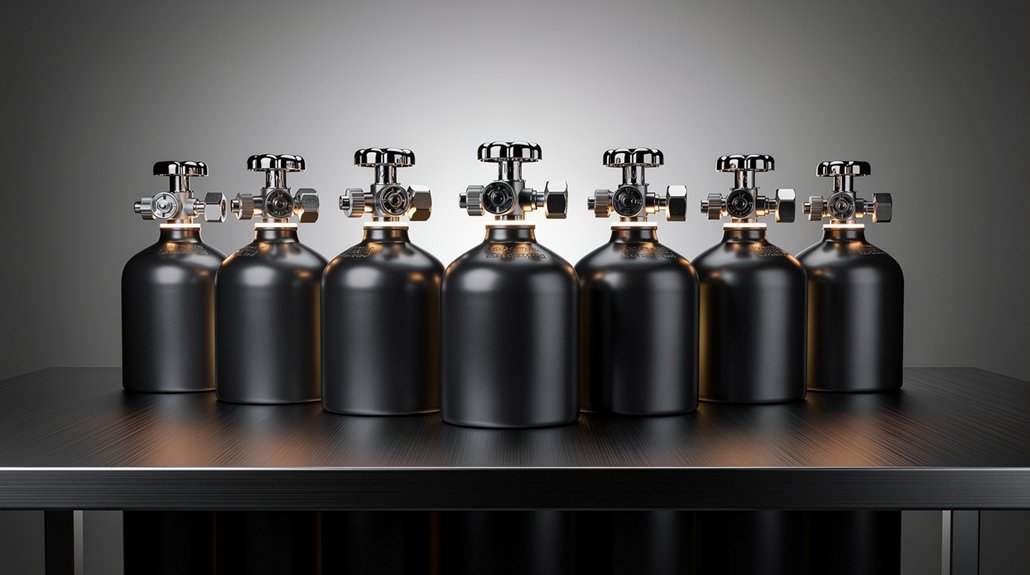
You’re about to explore the seven top acetylene tanks and regulators that every jeweler needs in 2026. Each option balances safety, precision, and durability, from RX WELD’s PC‑handle units to AR‑B’s B‑tank gauge regulator. You’ll discover which models deliver the most reliable flame control and how their built‑in check valves and pressure‑relief features protect your work. The next section reveals the key factors that separate a good setup from a great one.
| RX WELD Oxygen & Acetylene Regulators CGA540/CG5100 |  | Professional Grade | Gas Compatibility: Oxygen (CGA‑540) & Acetylene (CGA‑510) | Connector Type (Inlet): CGA‑540 (O₂) / CGA‑510 (C₂H₂) | Outlet Thread: 9/16‑18 RH/LH for 1/4″ B‑fittings | CHECK ON AMAZON | Read Our Analysis |
| RX WELD CGA540 & CGA200 Gas Regulators with PC Handle |  | Versatile Choice | Gas Compatibility: Oxygen (CGA‑540) & Acetylene (CGA‑200) | Connector Type (Inlet): CGA‑540 (O₂) / CGA‑200 (C₂H₂) | Outlet Thread: 9/16‑18 RH/LH for 1/4″ B‑fittings | CHECK ON AMAZON | Read Our Analysis |
| AR-B CGA520 Acetylene Regulator for B Tanks with Gauge | 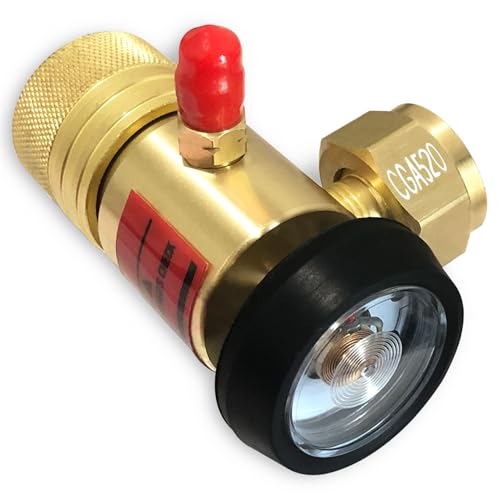 | Precision Control | Gas Compatibility: Acetylene (CGA‑520B) only | Connector Type (Inlet): CGA‑520B (C₂H₂) B‑tank | Outlet Thread: Standard B‑fitting (compatible with B‑tanks) | CHECK ON AMAZON | Read Our Analysis |
| CDL LX65 Medium Duty Acetylene Regulator with Tank Gauge | 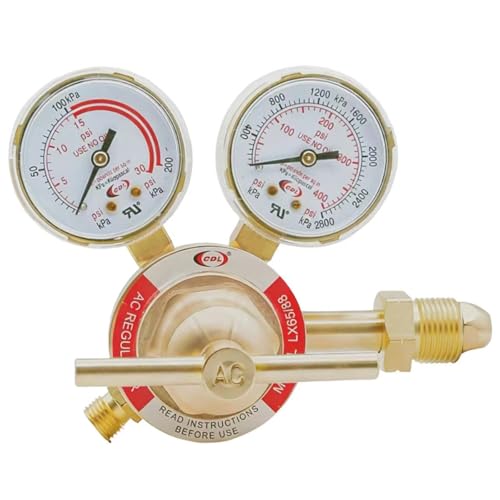 | Dual‑Gauge Power | Gas Compatibility: Acetylene (CGA‑510) only | Connector Type (Inlet): CGA‑510 (C₂H₂) B‑tank | Outlet Thread: Standard B‑fitting (CGA‑510) | CHECK ON AMAZON | Read Our Analysis |
| ARCCAPTAIN Oxygen & Acetylene Regulators CGA540/CG A510 | 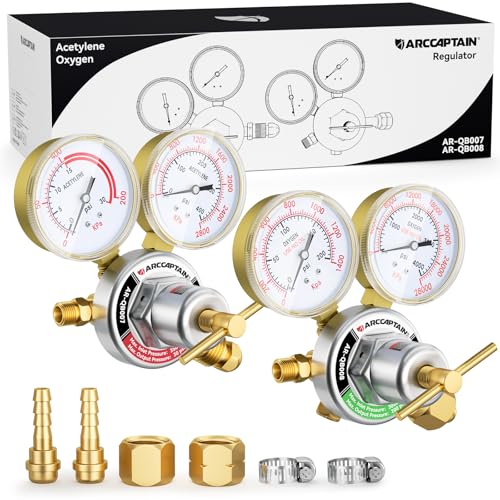 | Safety First | Gas Compatibility: Oxygen (CGA‑540) & Acetylene (CGA‑510) | Connector Type (Inlet): CGA‑540 (O₂) / CGA‑510 (C₂H₂) | Outlet Thread: 9/16‑18 RH/LH for 1/4″ B‑fittings | CHECK ON AMAZON | Read Our Analysis |
| Jeweler’s Mini Soldering Torch Kit (Oxygen/Propane) |  | Mini‑Kit Essential | Gas Compatibility: Oxygen & Acetylene (or Propane) – interchangeable | Connector Type (Inlet): Standard B‑fitting for small tanks | Outlet Thread: B‑fitting on hoses and regulators | CHECK ON AMAZON | Read Our Analysis |
| Portable Oxy‑Acetylene Welding & Cutting Kit with Tanks | 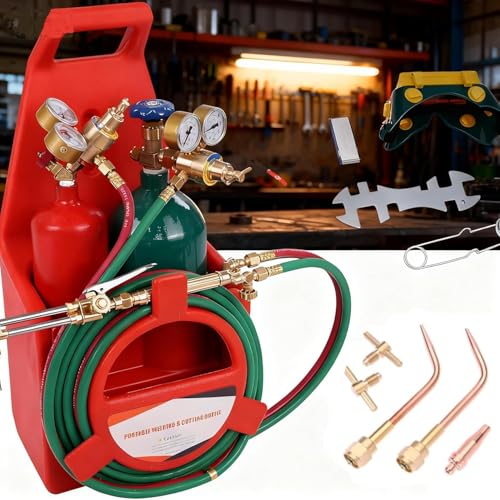 | Portable Complete Kit | Gas Compatibility: Oxygen (CGA‑540) & Acetylene (CGA‑510) | Connector Type (Inlet): CGA‑540 (O₂) / CGA‑510 (C₂H₂) | Outlet Thread: 9/16‑18 RH/LH for 1/4″ B‑fittings | CHECK ON AMAZON | Read Our Analysis |
More Details on Our Top Picks
RX WELD Oxygen & Acetylene Regulators CGA540/CG5100
If you’re a jeweler who needs precise, low‑pressure control for delicate metalwork, the RX WELD Oxygen & Acetylene Regulators (CGA‑540/CGA‑510) are a solid pick. They pair with V‑style torches and a T‑handle, delivering medium‑duty performance. The oxygen side handles 0‑4000 PSI inlet and 0‑200 PSI output, while the acetylene side covers 0‑400 PSI inlet and 0‑30 PSI output. Both feature 9/16‑18 outlet threads for 1/4‑inch B fittings and twin hose connectors. The kit includes each regulator, a T‑handle, and a hose connector nut. Double‑check fitting sizes before you buy to ensure a perfect match.
- Gas Compatibility:Oxygen (CGA‑540) & Acetylene (CGA‑510)
- Connector Type (Inlet):CGA‑540 (O₂) / CGA‑510 (C₂H₂)
- Outlet Thread:9/16‑18 RH/LH for 1/4″ B‑fittings
- Pressure Range – Output (Acetylene):0‑30 PSI
- Material Construction:Brass (unspecified grade)
- Included Handle Type:T‑Handle
- Additional Feature:Twin welding hose fittings
- Additional Feature:T‑Handle included
- Additional Feature:Output pressure 0‑200 PSI (oxygen)
RX WELD CGA540 & CGA200 Gas Regulators with PC Handle
Looking for a regulator that pairs perfectly with your V‑style welding torch and small acetylene MC tanks? The RX WELD CGA540 oxygen and CGA200 acetylene regulators feature a sturdy PC handle and high‑quality brass bodies built for harsh workshop conditions. Each unit connects to a tank via the CGA‑540 or CGA‑200 inlet and offers a 9/16‑18 outlet thread for 1/4‑inch B‑fitting twin hoses. The oxygen regulator handles 0‑4000 PSI inlet and 0‑100 PSI output; the acetylene model manages 0‑400 PSI inlet and 0‑30 PSI output. The kit includes both regulators, a PC‑handle, and an outlet hose connector nut, but the acetylene regulator fits only small MC tanks with a CGA‑200 valve—no larger tanks, propane, or disposable canisters.
- Gas Compatibility:Oxygen (CGA‑540) & Acetylene (CGA‑200)
- Connector Type (Inlet):CGA‑540 (O₂) / CGA‑200 (C₂H₂)
- Outlet Thread:9/16‑18 RH/LH for 1/4″ B‑fittings
- Pressure Range – Output (Acetylene):0‑30 PSI
- Material Construction:High‑quality brass
- Included Handle Type:PC‑Handle
- Additional Feature:PC‑Handle design
- Additional Feature:Small acetylene tank only
- Additional Feature:Brass body durability
AR-B CGA520 Acetylene Regulator for B Tanks with Gauge
Jewelry makers who demand precise, steady acetylene flow for delicate soldering will find the AR‑B CGA520 regulator a perfect match. This brass‑built unit clamps securely to a CGA 520b B‑tank, delivering reliable, adjustable pressure through its built‑in gauge. You’ll value the tight connection that prevents leaks and the long‑life design that keeps performance consistent. Installation is straightforward: screw the regulator onto the tank, verify gauge reading, and you’re ready for welding or cutting tasks that require fine flow control. Should you need help, the supplier offers 12‑hour response support, ensuring you stay productive and safe.
- Gas Compatibility:Acetylene (CGA‑520B) only
- Connector Type (Inlet):CGA‑520B (C₂H₂) B‑tank
- Outlet Thread:Standard B‑fitting (compatible with B‑tanks)
- Pressure Range – Output (Acetylene):Not explicitly stated (standard regulator)
- Material Construction:Brass
- Included Handle Type:No handle (regulator only)
- Additional Feature:Integrated pressure gauge
- Additional Feature:B‑tank CGA520b compatibility
- Additional Feature:12‑hour support response
CDL LX65 Medium Duty Acetylene Regulator with Tank Gauge
Need need a regulator that delivers steady, precise flame control without constantly checking the gauge, the CDL LX65 Medium Duty Acetylene Regulator with Tank Gauge fits the bill. Its forged‑brass body resists corrosion and heat, so it survives daily workshop wear. The CGA510 inlet and standard B fitting let you hook it to most medium‑size tanks, though it won’t mate with small MC or B tanks. Dual‑scale, shatter‑resistant gauges show inlet pressure up to 400 psi and outlet pressure 0‑30 psi at a glance, letting you set a stable flame quickly. A smooth knob makes adjustments effortless, giving reliable welding and cutting performance for jewelry work.
- Gas Compatibility:Acetylene (CGA‑510) only
- Connector Type (Inlet):CGA‑510 (C₂H₂) B‑tank
- Outlet Thread:Standard B‑fitting (CGA‑510)
- Pressure Range – Output (Acetylene):0‑30 PSI
- Material Construction:Forged brass
- Included Handle Type:No handle (regulator only)
- Additional Feature:Dual‑scale large tank gauge
- Additional Feature:Forged brass construction
- Additional Feature:Non‑fit for small MC/B tanks
ARCCAPTAIN Oxygen & Acetylene Regulators CGA540/CG A510
Whether you’re a jeweler who frequently switches between oxygen and acetylene or a hobbyist tackling occasional repairs, the ARCCAPTAIN dual‑gas regulator stands out for its seamless compatibility with both CGA540 oxygen and CGA510 acetylene tanks. Its solid brass construction resists corrosion, heat, and pressure, giving you a rugged tool for cutting, brazing, heating, or welding in any workshop. Built‑in check valves and a pressure‑relief device prevent backflow and overpressure, keeping your setup safe. Dual easy‑to‑read gauges and a smooth‑turn T‑handle let you fine‑tune flow quickly, while standard 9/16‑18 RH/LH fittings ensure a hassle‑free installation without special tools.
- Gas Compatibility:Oxygen (CGA‑540) & Acetylene (CGA‑510)
- Connector Type (Inlet):CGA‑540 (O₂) / CGA‑510 (C₂H₂)
- Outlet Thread:9/16‑18 RH/LH for 1/4″ B‑fittings
- Pressure Range – Output (Acetylene):0‑30 PSI
- Material Construction:Solid brass
- Included Handle Type:T‑Handle
- Additional Feature:Built‑in check valves
- Additional Feature:Pressure relief devices
- Additional Feature:Standard 9/16‑18 RH/LH fittings
Jeweler’s Mini Soldering Torch Kit (Oxygen/Propane)
If you’re a jeweler who switches between propane and acetylene, the Mini Soldering Torch Kit’s interchangeable regulators and flashback arrestors make it a versatile, safety‑first choice. The kit includes B‑fitting regulators, matching hoses, five interchangeable tips, and ISO‑9001‑certified flashback arrestors with internal shields and check valves. You can attach it directly to small refillable acetylene or oxygen tanks, or use the included valves for disposable propane and oxygen canisters. When changing fuel, simply swap hose sides to match knob colors. Although tanks aren’t supplied, the premium‑quality components handle most disposable and refillable options, delivering reliable, precise soldering for jewelry work.
- Gas Compatibility:Oxygen & Acetylene (or Propane) – interchangeable
- Connector Type (Inlet):Standard B‑fitting for small tanks
- Outlet Thread:B‑fitting on hoses and regulators
- Pressure Range – Output (Acetylene):Standard acetylene regulator output (≈0‑30 PSI)
- Material Construction:Premium quality (likely brass)
- Included Handle Type:No dedicated handle (standard regulator)
- Additional Feature:Flashback arrestors included
- Additional Feature:Five interchangeable torch tips
- Additional Feature:ISO 9001 certified components
Portable Oxy‑Acetylene Welding & Cutting Kit with Tanks
Looking for a compact, all‑in‑one solution that lets you weld, braze, and cut metal on the go? This portable oxy‑acetylene kit packs a 4 L oxygen and a 2 L acetylene cylinder, dual‑gauge regulators, and a brass‑hard, rust‑proof frame. You’ll get a cutting nozzle, two welding nozzles, a two‑colored tube with coupling, goggles, and igniter—all in one ergonomic case with a cylinder holder. The flame stays stable for thin‑sheet burn‑through prevention and thick‑stock burr‑free cuts. It handles steel welding, brazing, shaping, and cutting for automotive repair, sculpture, HVAC, and farm work, without needing extra accessories.
- Gas Compatibility:Oxygen (CGA‑540) & Acetylene (CGA‑510)
- Connector Type (Inlet):CGA‑540 (O₂) / CGA‑510 (C₂H₂)
- Outlet Thread:9/16‑18 RH/LH for 1/4″ B‑fittings
- Pressure Range – Output (Acetylene):0‑30 PSI
- Material Construction:High‑purity brass
- Included Handle Type:No dedicated handle (standard regulator)
- Additional Feature:Complete tank set included
- Additional Feature:Ergonomic carry handle
- Additional Feature:Integrated cylinder holder
Factors to Consider When Choosing Acetylene Tanks and Regulators for Jewelry Work
When picking a tank, check that the gauge matches your needs and that its size fits your workspace. Make sure the gauge is accurate and easy to read, and choose a regulator made from durable material that can handle frequent use. Finally, verify that the safety valves and other protection features meet industry standards.
Tank Gauge Compatibility Gauge
Ever wonder why a dual‑scale gauge matters for jewelry work? You need a regulator that shows both inlet pressure (up to 4000 PSI) and output pressure (0‑30 PSI) so you can monitor acetylene flow precisely. Choose a brass regulator with a sturdy, easy‑to‑read dual gauge; its durability handles workshop heat and vibration while giving accurate readings for fine flame control. Make sure the gauge lets you verify tank pressure quickly before you light the torch, preventing sudden flame changes during delicate soldering. If you work with small MC or B‑tanks, pick a regulator with the matching CGA‑510 or CGA‑540 connection and a gauge range that aligns with those tanks. This compatibility keeps pressure stable and your jewelry work consistent.
Tank Tank Size
Why does tank size matter for jewelry work? Because it dictates regulator compatibility, flame control, and workflow rhythm. A CGA‑200 micro cylinder couples only with regulators labeled for that connection, so you can’t attach a larger CGA‑520 tank without swapping hardware. Smaller cylinders sit comfortably on a bench, are cheap, and let you move them easily, but they empty faster, forcing more frequent refills. Larger CGA‑520 tanks hold more acetylene, extending run time and reducing refill interruptions, yet they demand sturdier supports and a regulator that matches the bigger CGA thread. When you run a dual‑tank setup, each tank’s size must align with its regulator and hose size to keep pressure stable at 0‑30 PSI for delicate soldering. Choose the size that balances portability, cost, and the duration you need for each jewelry project.
Gauge Accuracy and Visibility
What makes a regulator’s gauge truly useful for jewelry work is its ability to display both tank pressure and outlet pressure clearly and instantly. You’ll want a dual‑scale gauge so you can read tank pressure and the fine 0‑30 PSI output range at a glance, keeping the flame steady for delicate soldering. Large, high‑contrast dials reduce misreads when you tweak tiny acetylene flows, and a clear face stays visible under workshop lighting without fogging or glare. Brass bodies often house these robust gauges, giving you consistent visibility even after hours of use. Finally, verify that the gauge works with backflow‑prevention features so the reading stays accurate throughout long sessions.
Regulator Material and Durability
A clear, legible gauge is only half the story; the material that holds it together determines whether it will survive the heat and pressure of jewelry soldering. Most regulators for acetylene jewelry work are forged from brass, which offers excellent corrosion resistance and can endure the high temperatures you’ll encounter during soldering. Choose a dual‑dial regulator so you can read inlet and outlet pressures independently, allowing precise flame control for delicate pieces. Make sure the regulator matches CGA‑200 or CGA‑520/B valve standards to fit your small tank securely. A robust unit will keep outlet pressure stable—typically 0–30 PSI—to prevent flame flicker. Consistent pressure and durable brass construction ensure your regulator lasts through countless projects without compromising performance.
Safety Features and Valves
When selecting a regulator for jewelry soldering, prioritize built‑in check valves and pressure‑relief devices that stop backflow and over‑pressure, especially when you’re mixing oxygen and acetylene. Look for a dual‑gauge kit so you can read tank pressure and regulated output pressure at a glance, letting you fine‑tune the flame for delicate pieces. Choose models that clearly mark the correct orientation and have secure CGA‑540 (oxygen) and CGA‑200/510 (acetylene) connections, preventing accidental cross‑threading. Brass bodies with robust seals will endure the high heat of prolonged brazing, while oxygen‑rated hoses, 9/16‑18 quick‑connects, and flashback arrestors protect against sudden flame reversal. These safety features keep your workspace stable and your jewelry flawless.
Portability and Ergonomics
Ever wondered how a lightweight regulator and compact hose can transform your jewelry soldering workflow? When you pick a portable setup, choose a compact handheld torch with a small regulator and short hose; it slides into tight crevices without dragging weight. Dual‑scale gauges let you glance at inlet and outlet pressures, keeping the flame steady for delicate work. Opt for PC or T‑handle designs—your hand stays comfortable even during marathon sessions. Look for kits that include shoulder or belt straps for the cylinder, so you can move between benches or client sites without fumbling. Compatibility with MC or small tanks, plus the ability to swap acetylene and oxygen, ensures you stay flexible while staying light on your feet.
Frequently Asked Questions
How Often Should I Replace the Regulator’s O‑Ring?
You should replace the regulator’s O‑ring at least once a year, or sooner if you notice leaks, wear, or exposure to harsh chemicals, because a fresh O‑ring guarantees safe, consistent pressure control.
Can I Use the Same Regulator for Both Oxygen and Acetylene?
Yes, you can use the same regulator for oxygen and acetylene, but only if it’s a dual‑gas model with separate, correctly labeled ports and O‑rings. Swap gases carefully, and never mix them in a single‑gas regulator.
What Is the Maximum Safe Storage Temperature for a B‑Tank?
You should keep a b‑tank below 120 °F (49 °C); exceeding that risks pressure increase and valve failure. Store it in a cool, ventilated area, away from direct sunlight and heat sources.
Do I Need a Separate Gauge for Each Gas in a Dual‑Tank Setup?
Yes, you should install a dedicated gauge for each gas. Separate gauges let you monitor pressure accurately, avoid cross‑reading errors, and guarantee safe operation when you switch between acetylene and oxygen.
How Does Altitude Affect Regulator Pressure Settings?
Altitude lowers atmospheric pressure, so you’ll need to increase your regulator’s set‑point to maintain the same flow. Adjust the pressure upward by roughly 0.5 psi for every 1,000 feet you climb.



Leave a Reply