
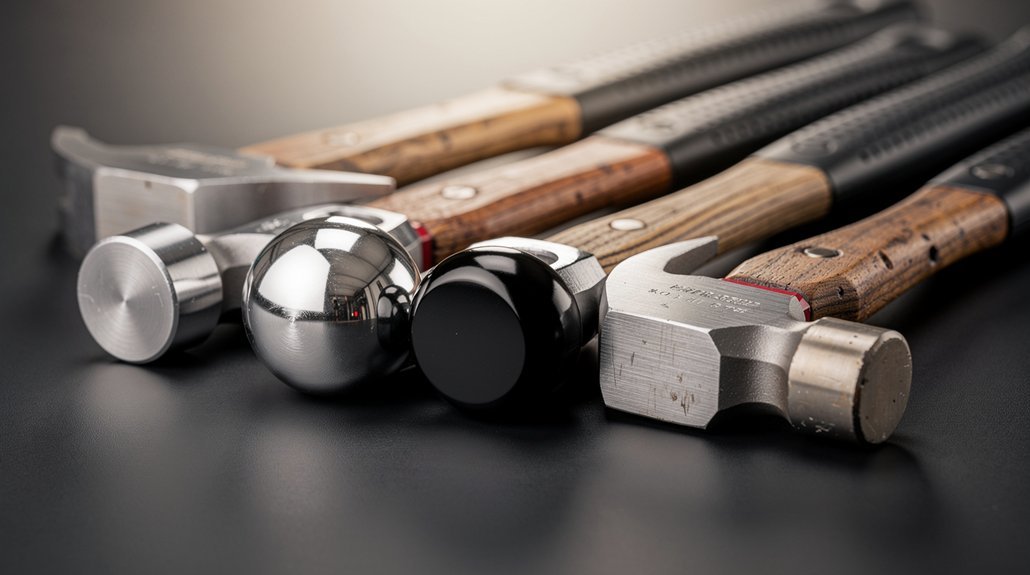
You’re looking for a hammer that balances weight, grip, and face variety without breaking the bank, and the 2026 market offers several models that hit those marks. From 8‑oz handles with interchangeable faces to dual‑sided tools that let you switch textures on the fly, each option brings a different edge to your detail work. The real question is which combination of durability, ergonomics, and face selection will give you the most control on those intricate projects.
| Beadsmith Two‑Sided Chasing Hammer – 10.75” Wooden Handle |  | Professional Grade | Handle Material: Wood | Head Material: Steel | Interchangeable Faces/Tips: Fixed (2 faces) | CHECK ON AMAZON | Read Our Analysis |
| SE Texturing Hammer Dual Head 9 Tips SE Texturing Hammer Dual Head 9 Tips |  | Versatile Texturing | Handle Material: Metal | Head Material: Stainless steel | Interchangeable Faces/Tips: 9 interchangeable tips | CHECK ON AMAZON | Read Our Analysis |
| Chasing & Repousse tools/Texturing Tools Set 5mm 10 pieces |  | Compact Set | Handle Material: Not specified (assume metal or steel) | Head Material: Hardened steel | Interchangeable Faces/Tips: 10 interchangeable punches | CHECK ON AMAZON | Read Our Analysis |
| Beadsmith Interchangeable Texture Hammer – 10.5″ Metal Tool | 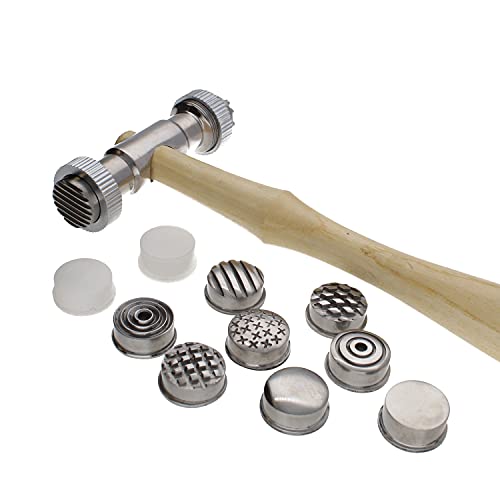 | Interchangeable Mastery | Handle Material: Wood | Head Material: Steel | Interchangeable Faces/Tips: 12 interchangeable faces | CHECK ON AMAZON | Read Our Analysis |
| Beadsmith Sharp Texturing Hammer – 9″ Steel Head |  | Sharp Precision | Handle Material: Wood | Head Material: Steel | Interchangeable Faces/Tips: Fixed (2 faces) | CHECK ON AMAZON | Read Our Analysis |
| Beadsmith Chasing Hammer & Bench Block – 7.5” Wood Handle 2” Steel Block | 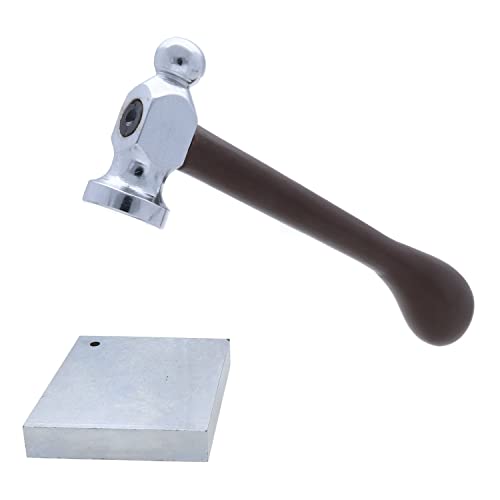 | Complete Kit | Handle Material: Wood | Head Material: Alloy steel | Interchangeable Faces/Tips: Fixed (2 faces) + bench block | CHECK ON AMAZON | Read Our Analysis |
| Texturing Hammer with 9 Interchangeable Heads – Made in India |  | Budget-Friendly | Handle Material: Wood | Head Material: Steel | Interchangeable Faces/Tips: 9 interchangeable heads | CHECK ON AMAZON | Read Our Analysis |
More Details on Our Top Picks
Beadsmith Two‑Sided Chasing Hammer – 10.75” Wooden Handle
Looking for a hammer that balances precision with comfort? The Beadsmith Two‑Sided Chasing Hammer offers a 10.75‑inch wooden handle that feels solid yet light, paired with a 2.25‑inch steel head weighing just 3.5 oz. One side features a smooth, slightly rounded face for chasing and indenting, while the opposite side sports a 14 mm ball pein for peening dents. It works on malleable metals like pewter, sterling silver, aluminum, brass, copper, and nickel silver. Use it on bench blocks or dapping blocks to protect surfaces. Beginners and pros alike appreciate its versatility for earrings, bracelets, rings, and steampunk details.
- Handle Material:Wood
- Head Material:Steel
- Interchangeable Faces/Tips:Fixed (2 faces)
- Approximate Length:10.75 in
- Primary Use (Metal Texturing):Chasing/embossing on soft metals
- Weight (Head):3.5 oz (head)
- Additional Feature:Ball‑pein side for peening
- Additional Feature:14 mm ball‑pein diameter
- Additional Feature:3.5 oz steel head weight
SE Texturing Hammer Dual Head 9 Tips
SE Texturing Hammer Dual Head 9 Tips
If you need a compact, versatile tool that lets you switch between nine distinct textures in seconds, the SE Texturing Hammer Dual Head 9 Tips is the answer. Its 10‑½‑inch stainless‑steel dual head holds a 3/4‑inch tip, and a threaded collar lets you snap on any of the nine interchangeable tips—stripe, rounded stripe, square, cross, dome, dimple, single cone, single round, or single square—without tools. We eight‑ounce weight keeps fatigue low during long sessions, while the metal handle offers solid grip. You can layer textures, target tiny areas, or cover larger surfaces, making it ideal for jewelry, metal embossing, and intricate crafting projects.
- Handle Material:Metal
- Head Material:Stainless steel
- Interchangeable Faces/Tips:9 interchangeable tips
- Approximate Length:10.5 in
- Primary Use (Metal Texturing):Texturing/embossing on jewelry metals
- Weight (Head):8 oz (whole hammer)
- Additional Feature:Threaded tip collar
- Additional Feature:3/4‑inch tip diameter
- Additional Feature:8 oz overall weight
Chasing & Repousse tools/Texturing Tools Set 5mm 10 pieces
Who needs precise, repeatable texture on soft metals or even leather? You’ll love the 5 mm, 10‑piece Chasing & Repousse set from KSB. Each hardened‑steel punch measures 7/16 inch across, fits a 4‑inch handle, and stamps a 5 × 5 mm pattern. They work flawlessly on annealed silver, gold, copper, or brass when you tap them with a hammer, and they also impress on leather and clay. The set includes ten identical punches, so you can keep a spare for each project. Backed by Amazon’s 30‑day return guarantee, this toolkit delivers consistent texture without fuss.
- Handle Material:Not specified (assume metal or steel)
- Head Material:Hardened steel
- Interchangeable Faces/Tips:10 interchangeable punches
- Approximate Length:4 in (tool length)
- Primary Use (Metal Texturing):Texturing punches for soft metals, leather, clay
- Weight (Head):Not specified (steel punches)
- Additional Feature:5 mm 5 mm pattern size
- Additional Feature:7/16‑inch face size
- Additional Feature:Hardened steel material
Beadsmith Interchangeable Texture Hammer – 10.5″ Metal Tool
The Beadsmith Interchangeable Texture Hammer’s 12‑face steel head makes it the go‑to tool for anyone who wants crisp, repeatable patterns on tiny jewelry pieces without swapping tools. Its 65 mm steel base holds 19 mm diameter faces—flat, domed, dot, checker, circle, stripe, weaving, and cross‑hatch options—so you can emboss pewter, silver, brass, copper, or nickel instantly in seconds. A lightweight wooden handle reduces fatigue, letting you work earrings, bracelets, rings, or steampunk accents for hours. Beginners and pros alike appreciate the screw‑on faces, the durable construction, and Beadsmith’s 40‑year reputation backed by responsive support.
- Handle Material:Wood
- Head Material:Steel
- Interchangeable Faces/Tips:12 interchangeable faces
- Approximate Length:10.5 in
- Primary Use (Metal Texturing):Interchangeable texture hammer for soft metals
- Weight (Head):Not specified (steel head)
- Additional Feature:12 interchangeable faces
- Additional Feature:19 mm face diameter
- Additional Feature:65 mm steel head base
Beadsmith Sharp Texturing Hammer – 9″ Steel Head
Looking for a hammer that delivers razor‑sharp lines on delicate metalwork? The Beadsmith Sharp Texturing Hammer gives you two 12 mm straight, sharp‑edged faces that carve thin, precise lines into non‑ferrous jewelry components or wire. Its 9‑inch wooden handle feels firm and comfortable, letting you control every tap. The 73.5 mm, 1.2 oz steel head resists wear, handling heavy‑duty or intricate texturing without bending. You’ll appreciate the lightweight design for extended sessions, and the brand’s reputation ensures you’re buying a reliable tool from a one‑stop jewelry supply shop. It’s perfect for adding dimension and pattern to metal surfaces.
- Handle Material:Wood
- Head Material:Steel
- Interchangeable Faces/Tips:Fixed (2 faces)
- Approximate Length:9 in
- Primary Use (Metal Texturing):Sharp line texturing on metal
- Weight (Head):1.2 oz (head)
- Additional Feature:Two 12 mm sharp faces
- Additional Feature:73.5 mm head width
- Additional Feature:1.2 oz head weight
Beadsmith Chasing Hammer & Bench Block – 7.5” Wood Handle 2” Steel Block
Jewelry makers who need precise, low‑fatigue texturing will love the Beadsmith Chasing Hammer & Bench Block’s 7.5‑inch wooden handle paired with a 2‑inch steel head. The rounded wooden grip reduces hand strain while you emboss, indent, or peen malleable metals like sterling silver, copper, or brass. One face features a 14 mm ball‑pein for smoothing dents, and the opposite domed side lets you dap and shape with controlled force. The companion bench block is chrome‑plated, hardened steel, 2 inches square, and includes a corner hole for riveting or bending. Together they give you a sturdy, versatile setup for detailed stamping, layout, and soldering.
- Handle Material:Wood
- Head Material:Alloy steel
- Interchangeable Faces/Tips:Fixed (2 faces) + bench block
- Approximate Length:7.5 in (hammer) + bench block
- Primary Use (Metal Texturing):Chasing hammer with bench block for metalwork
- Weight (Head):Not specified (steel head)
- Additional Feature:Bench block with rivet hole
- Additional Feature:2.5‑inch domed face
- Additional Feature:14 mm ball‑pein face
Texturing Hammer with 9 Interchangeable Heads – Made in India
Looking for a compact, versatile tool that lets you apply multiple textures without swapping entire hammers? This 9‑inch texturing hammer fits that bill perfectly. Its wooden handle feels balanced, while the 2‑3/4‑inch body houses a threaded collar that secures each 5/8‑inch head. You’ll get nine interchangeable faces—checkerboard, rain, stripe, and more—so you can shift from copper to brass without changing tools. The threaded design keeps heads from loosening during delicate jeweler‑scale work. Made in India, it combines sturdy construction with easy‑swap versatility, ideal for craft and fine‑metal texturing.
- Handle Material:Wood
- Head Material:Steel
- Interchangeable Faces/Tips:9 interchangeable heads
- Approximate Length:9 in
- Primary Use (Metal Texturing):Texturing designs on soft metals
- Weight (Head):Not specified (steel head)
- Additional Feature:5/8‑inch face diameter
- Additional Feature:2‑3/4‑inch wide body
- Additional Feature:Made in India origin
Factors to Consider When Choosing Chasing Hammers for Texture and Detail Work
When you pick a chasing hammer, start by matching the material to the metal you’ll work on, then check the head size options and interchangeable face variety for the patterns you need. Pay attention to handle ergonomics so you stay comfortable during long sessions, and consider the weight and balance for precise control. These factors together determine how efficiently you can texture and detail your pieces.
Material Material Compatibility
What metals you work with will dictate which chasing hammer you choose. If you’re shaping pewter, sterling silver, aluminum, brass, copper, or nickel silver, pick a hammer whose head material won’t bite into the surface. Steel heads are durable but can mar softer metals; alloy heads give a gentler impact, preserving malleability. Weight matters too—lighter hammers (around 3.5 oz) deliver subtle texture on delicate alloys, while heavier ones (up to 8 oz) drive deeper patterns into tougher copper or brass. Two‑sided designs let you switch between flat for crisp lines and ball pein for rounded textures without changing tools. Interchangeable‑face hammers add versatility, letting you swap domed or flat faces quickly, ensuring each metal receives the appropriate impact energy and finish.
Head Size Options
Because the head size determines how much surface area each strike covers, you’ll want to match it to the texture scale you need. A larger head, like a 2.5‑inch face, blankets a broad area and is ideal for sweeping embossing or creating deep, uniform patterns. Smaller heads, down to 3/4‑inch, let you focus on tight lines and intricate details without over‑marking. If you need flexibility, choose a hammer with interchangeable faces—some offer nine or more options, letting you switch between a 14 mm ball pein, domed, or flat surface in seconds. Material matters, too: hardened steel holds a crisp edge longer, while alloy or stainless heads resist wear on softer metals. Balancing head diameter with your project’s precision requirements ensures consistent, high‑quality texture.
Handle Ergonomics
Ever notice how a well‑shaped handle can turn a marathon of chasing into a comfortable, controlled session? A rounded wooden end eases hand fatigue, letting you work longer without cramping. Look for a contoured grip that nests in your palm and spreads pressure away from the fingers—this boosts steadiness when you’re hammering repetitive textures. Longer handles give you leverage for smoother, broader strokes, while shorter ones let you hone in on delicate patterns. Aim for a lightweight build; a head plus wood around 1.2 oz to 3.5 oz keeps the hammer nimble and reduces strain during intricate detailing. Finally, a well‑balanced hammer pairs a sturdy head with that ergonomic grip, so you maintain steady aim and consistent pressure throughout each pass.
Interchangeable Face Variety
When you select a chasing hammer, the range of interchangeable faces determines how quickly you can shift textures without swapping tools. Look for a threaded collar that locks each tip securely and lets you spin a new face on in seconds, so you can layer stripes, checkerboards, cross‑hatches, dots, domed or moon‑rain patterns in one session. Choose a set that offers both 3/4‑inch (19 mm) and 5/8‑inch (16 mm) diameters; the larger face covers broad areas fast, while the smaller one lets you work fine detail. A mix of steel and nylon heads gives you hard‑impact options for metal and softer blows for non‑metal surfaces. Aim for 9‑12 faces total to keep your design options open and avoid frequent tool changes.
Weight and Balance
The variety of interchangeable faces lets you switch patterns instantly, but the hammer’s heft and balance determine how smoothly each strike translates into texture. You’ll notice lighter‑weight hammers, around 8–9 oz, let you work longer without fatigue, while a well‑balanced tool concentrates mass near the face for pinpoint precision and reduced hand strain. When a the two‑sided or multi‑face head, feel how the balance shifts; some tips may feel heavier, affecting control. Choose a handle length that matches your technique: a 7–10.5‑inch grip gives a lever advantage for chisel‑like strokes, whereas a shorter grip boosts maneuverability for intricate patterns. Steel heads paired with wooden or ergonomic handles typically deliver the ideal blend of heft and tactile feedback for detailed texture work.
Durability and Finish
A forged steel head with a domed face gives you lasting durability for resurfacing, while a smooth chasing face protects delicate metals from marring. When you pick a hammer, check for a hardened‑steel or chrome‑plated block; these resist surface minking and keep the impact surface sharp. Double‑sided models with a ball pein spread force evenly, reducing dents and preserving texture detail through repeated strikes. If the tool offers interchangeable faces, you’ll replace worn pads instead of the whole hammer, extending its life across different projects. Heavier heads—about 3.5 oz—add momentum for deep engraving, but they can tire your hand, so balance durability with ergonomic comfort. A reinforced handle further guards against imprint loss, ensuring consistent, crisp patterns over time.
Price‑Performance Ratio
Why settle for a pricey hammer that doesn’t broaden your texture palette? Look beyond the tag and compare tip variety and head design; a two‑sided face or interchangeable heads can give you more patterns per dollar than a single‑head model. Lighter heads give you control for fine lines, while heavier heads let you punch deeper impressions—choose the weight that matches your workflow. An interchangeable tip system, whether a 9‑tip or 12‑face set, boosts versatility without forcing you to buy multiple hammers. Pair the hammer with a bench or doming block to protect surfaces and cut waste, preserving material and money. Finally, match face size to project scale—3/4‑inch tips for larger areas, 5/8‑inch for detailed work—to maximize material usage and improve overall price‑performance.
Frequently Asked Questions
How Do I Maintain the Wooden Handle’s Integrity Over Time?
You should regularly oil the wood, avoid soaking it, store it in a dry place, and gently sand any rough spots. Inspect for cracks, tighten any loose fittings, and replace worn parts promptly.
Can I Use These Hammers on Non‑Metal Materials Like Wood or Plastic?
Yes, you can use them on wood or plastic, but choose a softer‑face hammer, keep the strike light, and watch for surface damage. Adjust your technique to avoid gouging or cracking the material.
What Is the Optimal Hammer Weight for Delicate Texture Work?
You should aim for a 300‑400 gram hammer; it’s light enough to control without crushing details, yet heavy enough to transfer steady energy, letting you shape textures precisely without over‑pressuring the material.
Do Interchangeable Heads Affect the Hammer’s Balance and Control?
Yes, interchangeable heads change the hammer’s balance and control; each head adds its own weight distribution, so you’ll feel different swing dynamics and may need to adjust grip pressure for precise texture work.
Are There Safety Concerns When Using Steel‑Block Bench Setups?
You should watch for pinching fingers, guarantee the steel block’s edges are smooth, and never strike too hard; wear gloves, keep the workpiece stable, and inspect the setup for cracks before each use.

Leave a Reply