You’re designing jewelry that needs to connect with your clients on a personal level, but how do you accurately assess what styles will truly resonate with them? The challenge isn’t just about creating beautiful pieces—it’s about understanding the complex interplay between individual preferences, physical attributes, and lifestyle needs. Most designers struggle with translating client conversations into designs that hit the mark, leading to revisions and missed opportunities that could’ve been avoided.
Understanding Client Aesthetic Preferences Through Visual Analysis
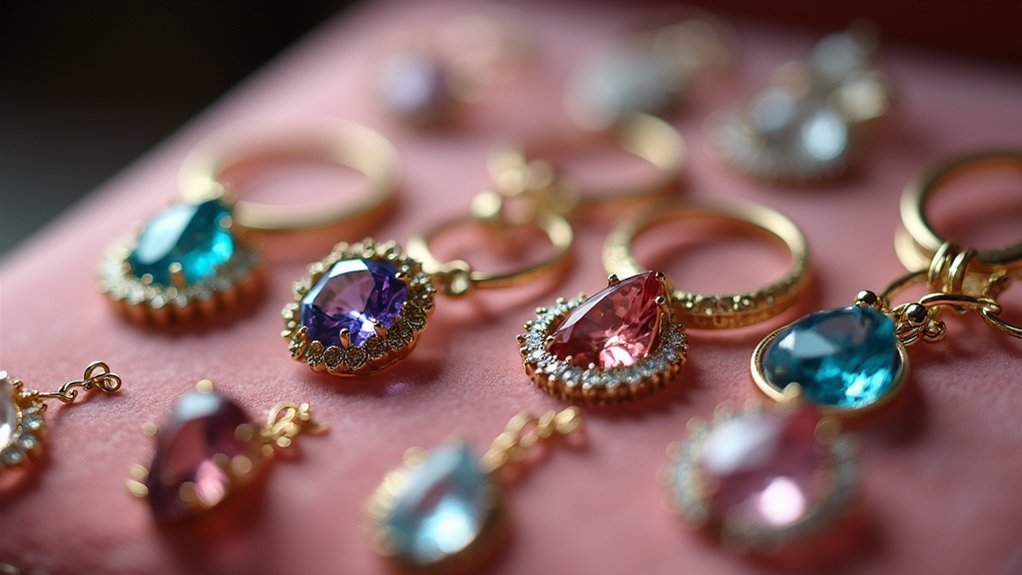
Understanding your client’s aesthetic preferences forms the foundation of successful jewelry design, and visual analysis offers the most effective pathway to decode their personal style.
You’ll discover their taste preferences by creating mood boards that showcase diverse jewelry designs, colors, and materials. These visual tools reveal key themes and inspirations that guide your design decisions.
Engage clients in meaningful conversations about their favorite jewelry styles and pieces they admire. This dialogue uncovers specific attributes they value in jewelry design.
Meaningful client conversations about admired jewelry styles reveal the specific design attributes they truly value most.
Additionally, analyzing their previous purchases and existing collections provides valuable insight into preferred materials, craftsmanship levels, and recurring style elements.
Implement software tools that allow clients to visualize different styles on virtual models, enhancing their understanding and your assessment accuracy.
Conducting Effective Style Consultation Interviews
How effectively you conduct style consultation interviews directly determines the success of your jewelry design projects. You’ll need to ask open-ended questions that reveal clients’ lifestyle preferences and aesthetic desires. Active listening and detailed note-taking capture their vision while visual aids like mood boards facilitate meaningful discussions.
| Interview Element | Purpose | Outcome |
|---|---|---|
| Open-ended questions | Understand preferences and lifestyle | Clear design direction |
| Visual aids | Facilitate style discussions | Tangible reference points |
| Previous experiences | Identify likes and dislikes | Refined aesthetic understanding |
Exploring clients’ past jewelry experiences provides valuable insights for jewelry appraisal and design refinement. Your understanding of market trends combined with their personal preferences creates targeted solutions. Establishing trust encourages honest expression, fostering collaborative design processes that deliver exceptional results.
Creating and Utilizing Mood Boards for Design Direction
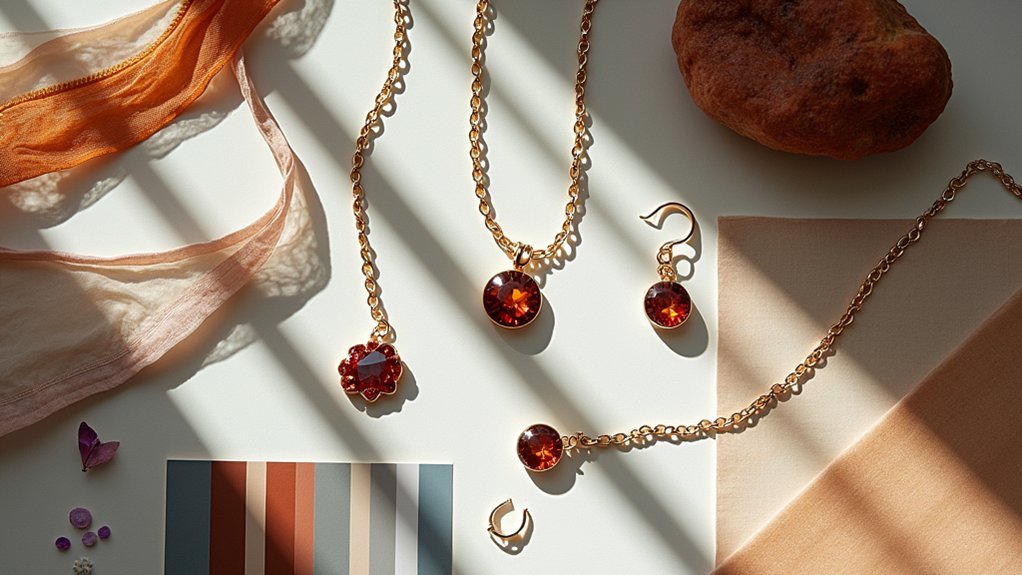
While effective consultation interviews establish the foundation for understanding client preferences, mood boards transform those insights into compelling visual narratives that guide your design decisions.
You’ll compile colors, textures, patterns, and styles into visual collages that clearly convey your aesthetic direction. Digital platforms like Pinterest or Adobe Spark enable real-time collaboration with clients and team members, making feedback immediate and actionable.
Include images of existing jewelry pieces, gemstones, and materials to clarify your design intentions and spark innovative combinations.
These boards streamline your creative process by providing focused reference points that guarantee every element aligns with your collection’s vision.
Analyzing Body Type and Lifestyle Considerations
You’ll need to assess how different jewelry styles work with your client’s body shape, as longer necklaces typically flatter taller frames while shorter pieces suit petite builds better.
Consider their daily activities and lifestyle demands—active individuals require durable materials and secure settings, whereas formal environments call for classic or statement pieces.
Understanding their personal style preferences is equally important, since minimalist lovers won’t appreciate ornate designs that clash with their aesthetic.
Body Shape Compatibility Analysis
Why does the same necklace look stunning on one person but overwhelming on another? The answer lies in body shape compatibility analysis.
You’ll discover that understanding proportional relationships transforms jewelry selection from guesswork into strategic design.
When you’re working with curvy body types, you’ll want to recommend long, dangly earrings that create vertical lines and elongate the silhouette.
For straight body types, you’ll achieve better results with round or bold designs that add dimension and visual interest.
Designers often recommend pieces that align with the wearer’s proportions, ensuring necklaces sit at flattering lengths and bracelets complement wrist size.
You’ll find that analyzing how jewelry interacts with different body shapes leads to more personalized recommendations, ultimately boosting your clients’ confidence and satisfaction with their selections.
Lifestyle Activity Requirements
Because jewelry serves as both personal expression and functional accessory, you must evaluate how a client’s daily activities intersect with their body type to create truly practical recommendations.
When evaluating lifestyle activity requirements, you’ll need to match durability with design preferences. Active clients require secure earrings with locking backs and low-profile rings that won’t snag during workouts, regardless of whether they prefer delicate or bold aesthetics.
Professional environments typically demand minimalist pieces that complement formal attire, while creative fields allow for statement jewelry that reflects personal style.
You should consider how often clients change between casual and formal settings, ensuring their collection shifts seamlessly. Weight becomes essential for comfort during long wear periods, particularly for clients with active lifestyles who need lightweight yet durable options.
Personal Style Preferences
Personal style preferences serve as the foundation for creating jewelry recommendations that feel authentic to your client.
You’ll need to assess whether they gravitate toward minimalist designs that reflect a modern aesthetic or prefer vintage, ornate pieces that showcase classic sensibilities.
Examine the quality and characteristics of jewelry they currently own to understand their taste patterns.
Consider how shapes and colors complement their skin tone and hair color, as these elements enhance overall appearance and confidence.
Personal style preferences should align with accessories that reflect their personality authentically.
Assessing Color Preferences and Skin Tone Compatibility
You’ll need to understand basic color theory principles to make informed jewelry choices that complement your natural coloring.
Start by determining whether you have warm, cool, or neutral undertones in your skin, as this knowledge forms the foundation for selecting flattering pieces.
Once you’ve identified your undertones, you can apply metal-complexion harmony guidelines to choose between gold, silver, or mixed-metal options that enhance your overall appearance.
Color Theory Fundamentals
When you’re selecting jewelry that truly flatters, understanding color theory becomes your most valuable tool for making choices that enhance your natural beauty. The color wheel serves as your foundation, helping you identify complementary and analogous schemes that create stunning visual appeal.
Primary, secondary, and tertiary colors work together to form harmonious combinations that align with consumer preferences.
You’ll discover that certain hues trigger specific emotional responses—blue conveys trust and calmness, while warm tones create feelings of comfort and energy. This psychological impact directly influences purchasing decisions.
Additionally, seasonal trends shift color popularity, affecting gemstone and metal finish desirability. By mastering these fundamentals, you’ll create pieces that resonate with your target audience and stand out in competitive markets.
Skin Undertone Analysis
How can you determine which jewelry colors will make your skin glow versus those that’ll wash you out? Skin undertone analysis is your key to selecting materials used in jewelry that complement rather than compete with your natural coloring.
Check your wrist veins under natural light to identify your undertone:
- Blue or purple veins = cool undertones (choose silver, platinum, jewel tones)
- Greenish veins = warm undertones (select gold, copper, earthy materials)
- Mixed coloring = neutral undertones (wear both warm and cool metals)
Always assess undertones in natural lighting since artificial light distorts color perception.
Warm undertones shine with gold-based materials used in jewelry design, while cool undertones pop with silver metals.
Neutral undertones offer maximum versatility, allowing you to experiment with various metals and gemstone colors effectively.
Metal-Complexion Harmony Guidelines
Building upon your undertone knowledge, metal selection becomes more strategic when you consider how different alloys interact with your complexion’s natural hues.
Your metal analysis should prioritize gold, copper, and brass if you’ve identified warm undertones, as these create harmonious enhancement.
Cool skin tones achieve ideal results with silver, platinum, and white gold selections.
Rose gold offers exceptional versatility, particularly flattering warm undertones while adding luminous warmth to your complexion.
If you possess neutral undertones, you’ll find both metal families complement your coloring effectively, expanding your design possibilities greatly.
Conduct practical color draping tests by positioning various metals against bare skin in natural lighting.
This hands-on approach reveals which alloys enhance your natural radiance versus those that create unflattering contrast, ensuring your jewelry selections achieve maximum visual impact.
Evaluating Material and Metal Preferences
Although many jewelry enthusiasts focus primarily on aesthetics, you’ll make more informed decisions by carefully evaluating the materials and metals that form a piece’s foundation.
Understanding material preferences and precious metals requires examining several critical factors that directly impact both value and longevity.
When analyzing jewelry materials, you should prioritize these key elements:
- Purity levels – Higher karat gold (18k or 24k) and platinum greatly increase worth compared to lower-grade alternatives
- Hallmark verification – Authentic stamps confirm metal type and purity, ensuring you’re investing in genuine materials
- Craftsmanship quality – Handcrafted pieces with superior settings and finishes typically outperform mass-produced alternatives
You’ll also need to evaluate the piece’s condition, noting any tarnish, wear, or damage that could diminish its overall appeal and market value.
Incorporating Cultural and Personal Symbolism
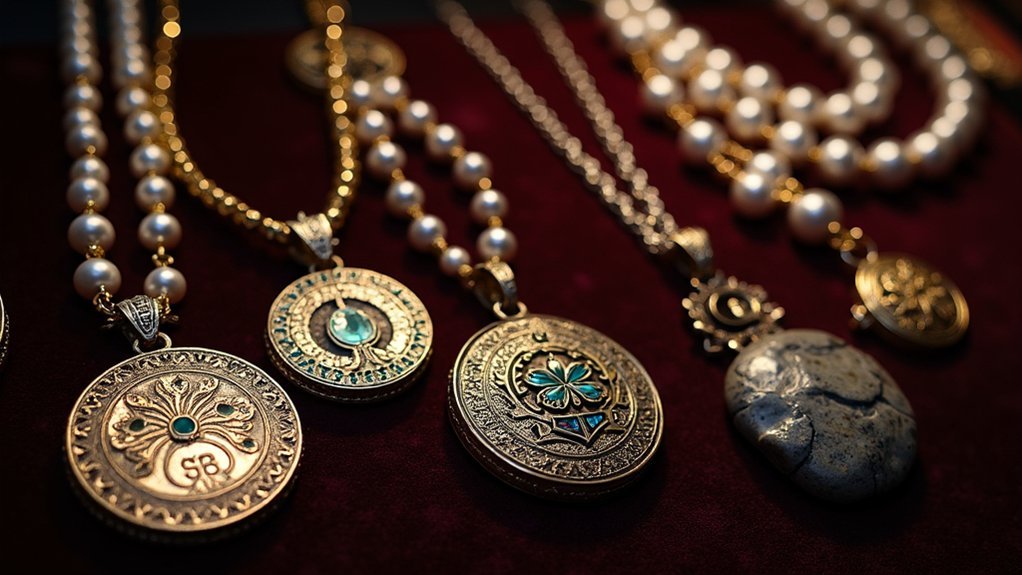
Beyond examining materials and metals, you’ll discover that jewelry’s true power often lies in the cultural and personal symbols woven into its design.
Cultural symbolism creates profound emotional connections when you incorporate traditional elements like Native American turquoise or African tribal motifs. You must research these symbols thoroughly and collaborate with cultural consultants to guarantee authentic, respectful representation.
Authentic cultural symbols in jewelry design require thorough research and collaboration with cultural consultants to ensure respectful representation.
Personal symbolism allows you to craft unique pieces through birthstones, meaningful engravings, or universal symbols like infinity signs and hearts. These elements resonate with wearers’ values and life experiences, transforming simple accessories into treasured keepsakes.
When evaluating designs, consider how these symbolic layers enhance emotional significance and market appeal, creating jewelry that speaks to both heritage and individual identity.
Prototype Development and Client Feedback Integration
Once you’ve established your jewelry design’s cultural and personal elements, you’ll need to create prototypes that bring your vision to life through systematic testing methods.
You can refine your designs by gathering structured client feedback through surveys, focus groups, or direct consultations that reveal which elements resonate most strongly.
This iterative process lets you adjust materials, proportions, and details based on real user preferences before committing to final production.
Prototype Testing Methods
When you’re ready to transform your jewelry concepts into tangible reality, prototype testing methods become your essential bridge between imagination and market-ready designs. These systematic approaches help you evaluate feasibility, functionality, and aesthetic appeal before committing to full production.
By leveraging modern techniques like 3D printing and CAD modeling, you’ll achieve rapid iterations while keeping costs manageable.
Your prototype testing strategy should incorporate:
- Client feedback sessions that capture preferences and identify improvement opportunities
- Focus groups and surveys with target customers to gauge market reception
- Wearability assessments guaranteeing comfort and practicality in real-world conditions
Understanding market dynamics through thorough testing guarantees your designs resonate with consumers.
You’ll gather invaluable insights that inform design refinements, ultimately creating jewelry pieces that balance artistic vision with commercial viability.
Design Refinement Process
Since prototype development forms the cornerstone of successful jewelry design, you’ll need to establish a systematic refinement process that transforms initial concepts into market-ready pieces.
Begin by creating physical prototypes that allow you to visualize and test your designs before committing to final production. Client feedback becomes your most valuable asset during this stage, as it helps you accurately assess preferences and identify improvement areas.
You’ll want to implement iterative testing cycles, making adjustments based on customer input to enhance both functionality and aesthetics. Leverage CAD technology to streamline prototype development and facilitate precise modifications.
Throughout this design refinement process, maintain effective communication with clients to foster collaboration, ensuring your final product delivers personalized satisfaction.
Balancing Trendy Elements With Timeless Appeal
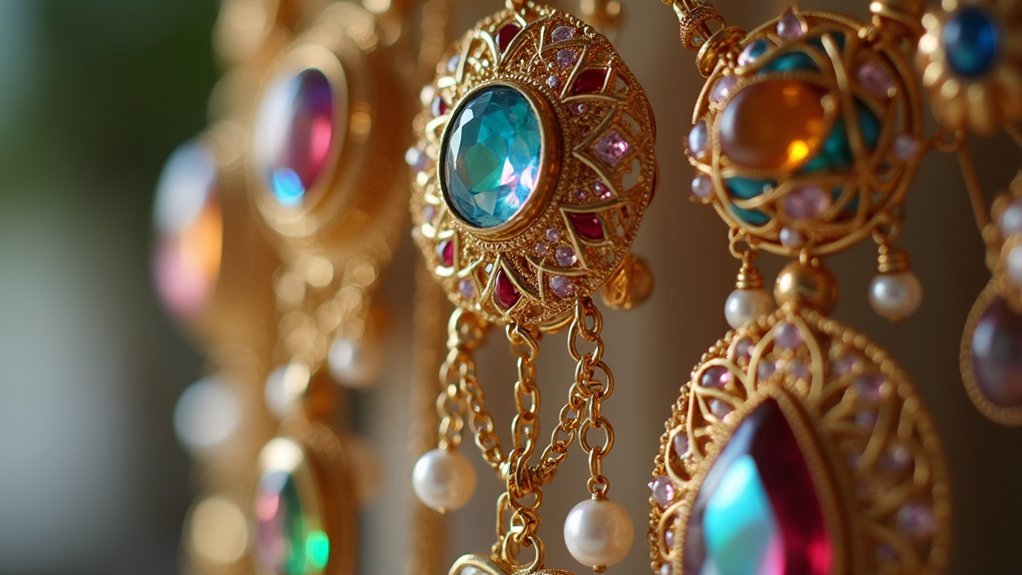
While contemporary jewelry trends captivate consumers with bold geometric shapes and vibrant colors, you’ll find the most successful designs seamlessly weave these modern elements into classic foundations that won’t feel outdated in five years.
Trendy jewelry styles can enhance timeless designs when you integrate fresh materials like mixed metals or ethically sourced gemstones into traditional settings.
You’ll achieve lasting appeal by focusing on:
- Versatile functionality – Create pieces that shift between casual and formal occasions
- Research-driven design – Use Pinterest and Instagram to identify trends while maintaining classic motifs
- Collaborative foundations – Partner with established jewelers to ground innovations in proven templates
This balanced approach guarantees your creations resonate with current preferences while maintaining enduring value.
Documentation Techniques for Style Portfolio Building
Creating beautiful jewelry pieces that balance contemporary trends with timeless appeal becomes meaningless without proper documentation to showcase your evolving style.
Effective documentation techniques start with high-quality photographs capturing multiple angles and intricate details that demonstrate your craftsmanship. You’ll want to include thorough written descriptions detailing materials, techniques, and design inspirations for each piece.
Implement a digital cataloging system to organize your work by style, collection, or theme. This systematic approach helps you reference pieces quickly and present cohesive presentations to clients.
Regular portfolio updates with new designs let you track market responses and emerging trends.
Don’t overlook gathering client feedback and peer critiques. These insights help you understand the value of jewelry from different perspectives, informing future design decisions and portfolio development strategies.
Refining Designs Through Iterative Client Collaboration
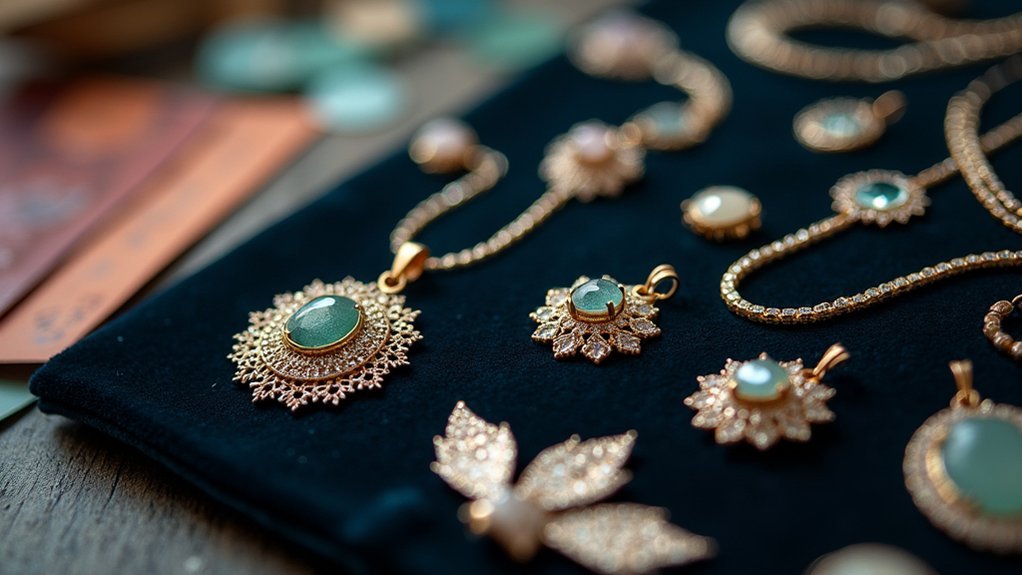
Although documenting your jewelry designs establishes a strong foundation for your portfolio, the real magic happens when you actively engage clients in refining those concepts through collaborative iteration.
You’ll transform initial sketches into custom pieces that truly resonate with your clients’ visions through regular feedback sessions and design modifications.
Effective iterative client collaboration requires strategic communication and visualization tools:
Strategic communication and visualization tools form the backbone of successful collaborative jewelry design processes.
- Present concepts through sketches and digital renderings to help clients visualize designs and suggest meaningful modifications
- Create physical prototypes using 3D printing to provide tangible models clients can assess before finalizing designs
- Schedule frequent check-ins during design phases to address concerns early and prevent costly production revisions
This collaborative approach enhances customer satisfaction while ensuring your custom pieces reflect genuine personal meaning and preference alignment.
Frequently Asked Questions
How Do I Price My Jewelry Designs Competitively While Maintaining Profit Margins?
Research competitors’ prices for similar pieces, calculate your material and labor costs, then add your desired profit margin. You’ll need to balance market rates with your brand positioning and unique value proposition.
What Insurance Considerations Should Designers Have for High-Value Custom Pieces?
You’ll need extensive business insurance covering theft, damage, and liability for custom pieces. Consider separate coverage for high-value items, requiring professional appraisals. Don’t forget coverage during transport and client consultations.
How Can I Protect My Original Designs From Being Copied Illegally?
You’ll protect your designs by filing design patents, registering copyrights, and documenting creation dates with timestamped photos. Don’t share detailed sketches publicly, use watermarks on images, and consult intellectual property attorneys for thorough protection strategies.
What Certifications Are Required for Selling Jewelry With Precious Stones?
You’ll need gemological certifications from recognized labs like GIA or AGL for precious stones. Additionally, you must comply with FTC guidelines for jewelry marketing and obtain proper business licenses in your jurisdiction.
How Do I Handle Client Disputes Over Completed Custom Jewelry Pieces?
You’ll need clear documentation of design approvals, photos showing agreed specifications, and written policies outlining revision limits. Listen actively to concerns, offer reasonable solutions like minor adjustments, and maintain professional communication throughout.
In Summary
You’ve mastered the essential techniques for evaluating jewelry styles that’ll elevate your design practice. By combining thorough client consultations, visual analysis tools, and iterative feedback processes, you’re equipped to create pieces that truly resonate. Remember to document your findings, balance current trends with lasting appeal, and always prioritize your client’s unique preferences and lifestyle needs. These assessment strategies will guarantee your designs consistently deliver both personal satisfaction and commercial success.